
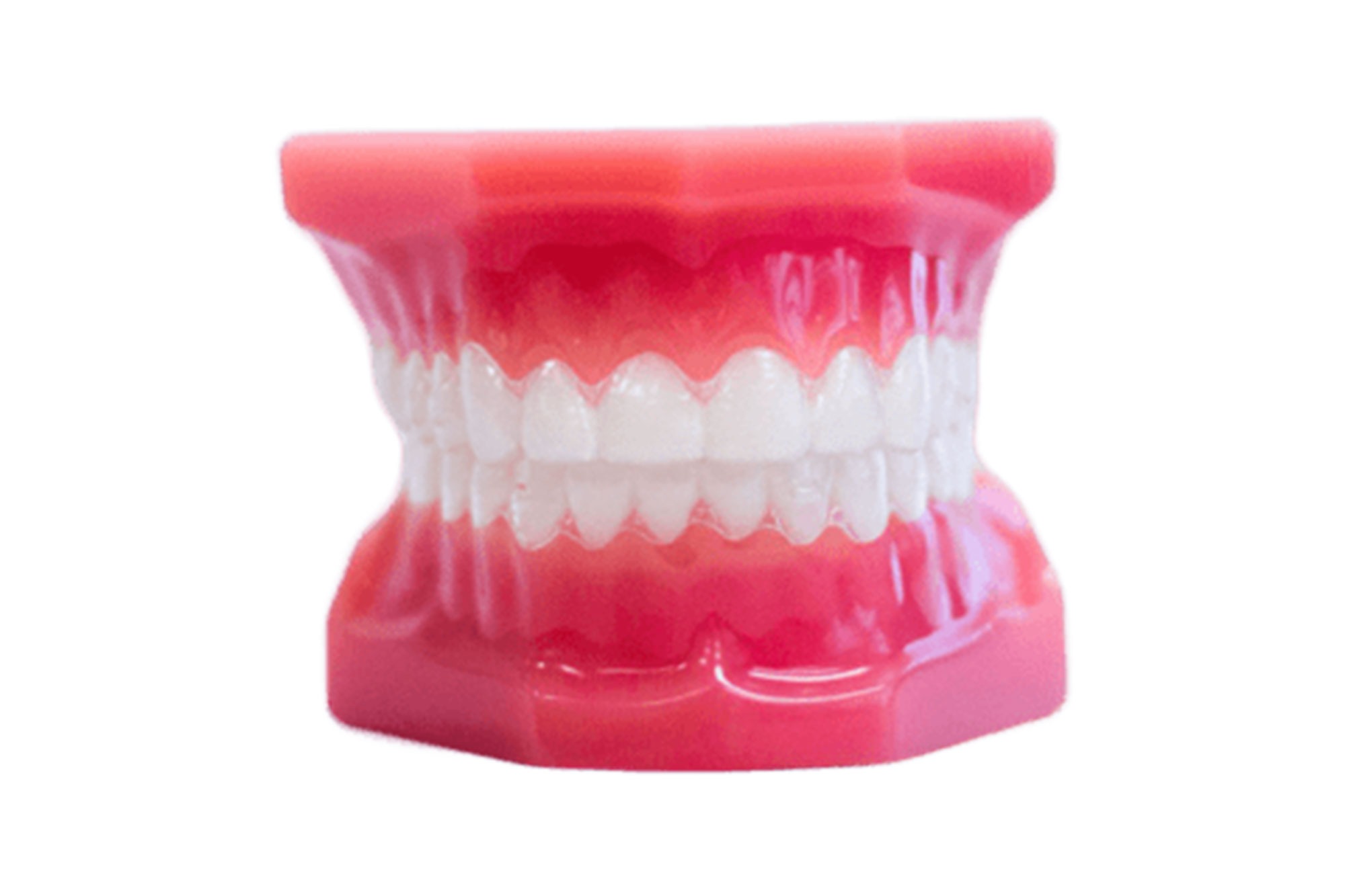
Clear aligners have changed the way people think about straightening their teeth. No metal. No wires. Just a series of custom-made plastic trays that gradually shift your smile into place. Invisalign is the most recognized name in clear aligner treatment, and for good reason: it combines proven technology with the expertise of trained orthodontists across New York City to deliver results you can see before treatment even begins.
If you’re considering Invisalign in New York City, you’re in the right place. Whether you’re searching for Invisalign in Manhattan, Brooklyn, Queens, or anywhere across the five boroughs, this guide covers how the treatment works, who makes a good candidate, and how to find the right provider for your smile goals.
What Is Invisalign?
Invisalign is a clear aligner system that straightens teeth using a series of custom-made, removable plastic trays. Each set of aligners applies gentle, controlled pressure to move teeth into their ideal positions over time, and the trays are made from a patented, FDA-cleared plastic designed for predictable tooth movement.
The trays are produced from SmartTrack material, engineered specifically for the small, controlled movements that orthodontic treatment requires. Experienced orthodontic practices throughout New York City use this system as part of a broader clear aligner offering that fits a wide range of cases.
Since its introduction over 25 years ago, Invisalign has become the most widely used clear aligner brand worldwide. It remains the number one doctor-recommended clear aligner option.
A few features that make Invisalign stand out:
- Nearly invisible appearance. The clear trays blend with your natural teeth, making treatment discreet.
- Removable design. Take them out to eat, brush, and floss, then pop them back in.
- Custom fit. Each aligner is made from a 3D scan of your teeth, ensuring precise movement.
- Staged treatment. You switch to a new set of aligners every one to two weeks as your teeth shift.
Invisalign treats many orthodontic concerns. Crowding, spacing, overbites, underbites, crossbites, and open bites can all be addressed with clear aligners when supervised by a trained provider. Mild cases may take just a few months. More involved cases can take 18 months or longer. There is also a shorter-treatment option called Invisalign Express for very mild crowding or spacing, which can wrap up in as little as a few months when the case qualifies.
One thing to understand: Invisalign is not a DIY solution. It requires planning, monitoring, and adjustments from an orthodontist or dentist trained in the system. The aligners do the work, but your provider designs the personalized treatment plan and ensures everything stays on track.
How Does Invisalign Treatment Work?
Invisalign treatment follows a clear path: a free consult and 3D scan, a digital treatment plan called ClinCheck, custom aligners shipped to your provider, daily wear of 20 to 22 hours per tray, progress checks every six to ten weeks, and finally retainers to lock in your results. Most cases take 6 to 18 months from start to finish, though your Invisalign timeline depends on your case.
Understanding the Invisalign process helps you know what to expect from your first visit to your final retainer. Each stage builds on the last, with milestones that your provider tracks closely from scan to finished smile.
What Happens at the Initial Consultation and 3D Scan?
Your treatment begins with a free consult. During this visit, your orthodontist examines your teeth, discusses your goals, and determines whether Invisalign is the right fit for your case. Many patients searching for an Invisalign consultation in New York City start their research here.
If you’re a candidate, the next step is a digital scan using an iTero scanner. This handheld device captures thousands of images of your teeth in just a few minutes, with no goopy impressions needed. The result is a precise 3D map of your mouth.
How Is the Custom Treatment Plan Designed?
Using your 3D scan, your orthodontist creates a digital treatment plan called ClinCheck. This software shows exactly how your teeth will move at each stage of treatment. You can even see a simulation of your predicted final result before you commit.
This planning phase is where your provider’s expertise matters most. They determine the sequence of movements, where attachments (small tooth-colored bumps) may be needed, and whether elastics will help correct bite issues.
How Are the Aligners Manufactured?
Once you approve the personalized treatment plan, your custom aligners are manufactured at an Invisalign lab and shipped to your provider’s office. Depending on your case, you may receive your full set of aligners at once or pick them up in batches throughout treatment.
What Does Daily Wear Look Like?
This is where the real work happens, on your end. You wear each set of aligners for 20 to 22 hours per day, removing them only to eat, drink anything other than water, brush, and floss.
Every one to two weeks, you switch to the next set of aligners in your series. Each new tray is slightly different, applying pressure to continue moving your teeth according to plan.
How Often Are Progress Check-Ins?
You’ll visit your orthodontist every six to ten weeks for progress checks. These visits are typically quick. Your provider confirms your teeth are tracking correctly, addresses any concerns, and gives you your next sets of aligners.
If teeth aren’t moving as expected, adjustments can be made. This might mean additional aligners (called refinements) or modified wear schedules.
What Are Refinements and Retainers?
Most people need at least one round of refinements, additional aligners that fine-tune tooth positions after the initial series. This is normal and included in most Invisalign treatment plans.
Once your teeth reach their final positions, you’ll switch to retainers. Retainers are essential. Without them, teeth naturally drift back toward their original positions. Most orthodontists recommend wearing retainers nightly for life to protect your results.
Key Benefits of Choosing Invisalign
The benefits of Invisalign include a nearly invisible appearance, no food restrictions, easier brushing and flossing, more comfort than fixed brackets, fewer office visits, and a digital preview of your final result. Together, these features make clear aligners a flexible option for adults, teens, and busy New York City professionals balancing treatment with everyday life.
Several reasons explain why so many adults and teens across NYC choose Invisalign:
Why Are Aligners More Discreet?
The clear trays are difficult to notice, even up close. This makes Invisalign popular with professionals, adults returning to orthodontic treatment, and anyone who wants to straighten their teeth without drawing attention. In a client-facing city like New York, that level of discretion matters more than most people expect.
How Do Aligners Fit Into Daily Life?
Because you remove your aligners to eat, you can enjoy all your favorite foods throughout treatment. Popcorn, apples, crusty bread: nothing is off-limits. Brushing and flossing also work the same way they always have. Take out your aligners, clean your teeth thoroughly, and put them back in. No threading floss under wires or working around brackets.
A quick note from many patients who have finished treatment: the first week takes some getting used to, but by the second or third tray, the routine fades into the background of daily life. You stop noticing the aligners between meals, and the small ritual of cleaning them becomes habit.
A few more advantages worth knowing:
- Comfort. Smooth plastic edges mean no irritation to your cheeks and gums. There are no brackets to break or wires to poke.
- Fewer office visits. With clear aligners, you typically visit your orthodontist every six to ten weeks rather than every four weeks. That’s less time away from work or school, which matters in a city where calendars fill up fast.
- Predictable results. The ClinCheck system lets you see your projected outcome before treatment starts. You know what you’re working toward from day one.
- Flexibility for special occasions. Have a wedding, job interview, or important presentation? You can remove your aligners briefly for photos or events. Just make sure they’re back in as soon as possible.
These benefits add up to a treatment experience that works around weddings, work travel, school photos, and weekend dinners with friends rather than forcing you to plan your life around a fixed appliance.
Invisalign vs. Metal Braces vs. Other Clear Aligners
Choosing the right orthodontic treatment depends on your specific needs and lifestyle. Board-certified orthodontists evaluate each option against the case in front of them, since no single appliance is best for everyone. The main options compare like this:
| Feature | Invisalign | Metal Braces | LightForce clear braces | InSmile lingual braces | Mail-Order Aligners |
|---|---|---|---|---|---|
| Visibility | Nearly invisible | Highly visible | Tooth-colored, subtle | Hidden behind teeth | Nearly invisible |
| Removable | Yes | No | No | No | Yes |
| Treatment Scope | Mild to complex | Mild to severe | Mild to severe | Mild to complex | Mild only |
| Comfort | High | Moderate | Moderate to high | Adjustment period | Varies |
| Doctor Supervision | Required | Required | Required | Required | Minimal or none |
How Does Invisalign Compare to Metal Braces?
Metal braces remain the gold standard for severe or complex cases. They provide constant force and can achieve movements that aligners struggle with. However, they’re visible, require dietary restrictions, and make oral hygiene more challenging.
Invisalign handles most cases that metal braces can treat, with the added benefits of removability and aesthetics. For many patients, the choice comes down to lifestyle preferences. If you’re weighing the two, our guide on braces versus Invisalign breaks down the differences.
How Does Invisalign Compare to LightForce Clear Braces?
LightForce clear braces use 3D-printed, tooth-colored brackets customized to each person’s teeth. They combine the effectiveness of fixed braces with improved aesthetics. If you have a complex case but want something less noticeable than metal, LightForce offers a middle ground.
How Does Invisalign Compare to Lingual Braces?
InSmile lingual braces attach to the back surfaces of your teeth. They’re completely hidden from view, though they require an adjustment period for speech and aren’t suitable for every case.
Why Mail-Order Aligners Fall Short
This comparison matters. Mail-order aligner companies promise convenience, but they come with significant risks. Without in-person exams, X-rays, or professional monitoring, problems can go undetected. Teeth may move incorrectly, bite issues can worsen, and some people end up needing corrective treatment after mail-order attempts fail.
The American Association of Orthodontists recommends in-person evaluation and supervision for any orthodontic treatment. Working with a board-certified orthodontist gives you the diagnostic records and ongoing oversight that remote services skip.
What Do Invisalign Provider Levels Mean?
Invisalign designates providers by experience level based on case volume, ranging from Bronze through Silver, Gold, Platinum, Platinum Elite, and Diamond at the top. Diamond and Platinum providers have treated more patients and typically have deeper expertise with complex cases. While a higher tier doesn’t guarantee better results, the Invisalign provider levels do indicate familiarity with the system, including bite correction, attachment design, and refinement strategy. New York City has a high concentration of top-tier providers, so it pays to ask about provider level during your free consult.
What Goes Into the Cost of Invisalign?
What you invest in Invisalign depends on your case rather than a flat rate. A few things shape it:
- Case complexity. More crowding or a larger bite correction means more aligners and a longer plan.
- Treatment length. Longer cases involve more aligners and more check-ins than short, mild ones.
- Provider experience. Higher-volume providers bring deeper expertise with complex cases and refinements.
- Additional appliances. Attachments, elastics, refinements, and retainers may factor into your plan.
Many dental insurance plans with orthodontic benefits apply to Invisalign the same way they apply to braces, and FSA or HSA funds can usually be used as well. Most practices, including ours, offer payment plans that spread treatment into manageable monthly payments. The clearest way to understand your own treatment is a free consultation, where your orthodontist reviews your case and walks you through a personalized estimate with everything itemized.
Who Is a Good Candidate for Invisalign?
Good candidates for Invisalign include teens and adults with mild to moderate crowding, spacing, or bite concerns who can commit to wearing aligners 20 to 22 hours per day and who have healthy teeth and gums. A free consult and 3D scan with a board-certified orthodontist confirms whether clear aligners can reach your specific smile goals.
Invisalign works well for many patients, but it’s not the right choice for everyone. A few signals can help you gauge whether you might be a good fit, though only a board-certified orthodontist can confirm candidacy after a clinical exam and 3D records.
Who Are Ideal Candidates?
Teens and adults with mild to moderate orthodontic issues. Crowding, spacing, and many bite problems respond well to clear aligner treatment. If your case falls within this range, Invisalign is likely an option. Very mild cases may even qualify for the shorter Invisalign Express track.
If you’ll wear aligners consistently, you’re set up for success. This is non-negotiable. Aligners only work when they’re in your mouth. Commit to 20 to 22 hours of daily wear and treatment moves forward as planned. If you think you’ll forget to put them back in after meals, you may struggle.
People with good oral health. Active cavities or gum disease must be treated before starting Invisalign. Healthy teeth and gums are essential for safe, effective tooth movement.
Anyone who values discretion. If visible braces would affect your confidence or professional image, clear aligners offer a solution that fits especially well in client-facing NYC industries like finance, law, and media.
Which Cases May Require Alternative Treatment?
Severe skeletal issues. Some bite problems stem from jaw position rather than tooth position. These cases may require braces, jaw surgery, or a combination of treatments.
Significant rotation or vertical movement. While Invisalign handles most tooth movements, certain complex rotations or extrusions may be more efficiently treated with fixed braces.
People who won’t comply with wear requirements. If aligners sit in their case more than they’re in your mouth, treatment won’t work. Braces may be a better option for those who need a “set it and forget it” approach.
Is Invisalign Available for Children?
Invisalign First is designed for children ages 6 to 10 with mixed dentition (a combination of baby and permanent teeth). This early treatment can address developing issues before they become more involved, potentially reducing the need for extensive treatment later.
How Do You Know for Sure?
An Invisalign consultation with a board-certified orthodontist trained in the system is the best way to determine candidacy. During this visit, your orthodontist evaluates your teeth, takes diagnostic records, and discusses whether clear aligners can achieve your goals. NYC practices that hold higher Invisalign provider tiers, such as Diamond or Platinum, tend to see a wider mix of mild and complex cases, which can help when the right path isn’t immediately obvious.
Finding Invisalign in Manhattan: Neighborhoods, Providers, and What to Expect
Manhattan has one of the highest concentrations of Invisalign providers in the country. Orthodontic and dental offices are spread across nearly every neighborhood, from the Upper East Side and Upper West Side down through Midtown, Flatiron, and the Financial District. That density is a real advantage: most Manhattan residents are within walking distance or a short subway ride from multiple qualified providers.
That said, more options also mean more decisions. Here is what to keep in mind when searching for Invisalign in Manhattan specifically.
What Makes Manhattan Invisalign Providers Different?
Manhattan practices typically see a high volume of cases, which means many have earned Diamond or Platinum provider status with Invisalign. That case volume reflects experience, particularly with complex bite corrections and cases that require refinements. If your case is anything beyond mild crowding, working with a high-volume Manhattan provider can make a meaningful difference in your outcome.
Many Manhattan offices also invest in the latest digital tools, including same-visit iTero scanning and in-office ClinCheck reviews, so you can walk out of your first consultation with a clear picture of your treatment plan and a preview of your projected results.
What Should You Bring to Your First Manhattan Invisalign Consultation?
Come prepared with your dental insurance card, a list of any current dental concerns, and a clear sense of your smile goals. If you have had recent dental X-rays taken elsewhere, ask your dentist to forward them. This can save time and may reduce the number of diagnostic records your orthodontist needs to take at the first visit.
Most Manhattan Invisalign consultations are free and take 30 to 60 minutes. You will typically leave with a 3D scan, a ClinCheck preview, and a written summary of your treatment plan.
Frequently Asked Questions About Invisalign in New York City
How long does Invisalign treatment take?
Treatment length varies based on your specific case. Mild crowding or spacing may take as little as 6 months, and Invisalign Express cases can sometimes finish even faster. Moderate cases typically require 12 to 18 months. More involved cases involving bite correction can extend beyond 18 months. Your orthodontist provides a timeline estimate during your free consult based on your 3D treatment plan.
Does Invisalign hurt?
Many people experience mild pressure or discomfort for the first one to three days after switching to a new set of aligners. This sensation indicates your teeth are moving. It’s typically described as tightness rather than pain and can be managed with over-the-counter pain relievers if needed. The discomfort fades as your teeth adjust to each new tray.
Can I eat with Invisalign in?
No. Remove your aligners before eating or drinking anything other than plain water. Food particles can get trapped under the trays, leading to cavities. Colored beverages like coffee, tea, or red wine can stain the aligners. After eating, brush your teeth (or at least rinse your mouth) before putting your aligners back in.
Will I need a retainer after Invisalign?
Yes. Retainers are essential for maintaining your results. After your teeth reach their final positions, they have a natural tendency to shift back toward where they started. Most orthodontists recommend wearing a retainer every night indefinitely. Some patients switch to wearing retainers a few nights per week after the first year, but this varies by case.
Can Invisalign fix an overbite or underbite?
Yes, Invisalign can correct many bite issues. For overbites and underbites, your orthodontist may use attachments (small tooth-colored bumps bonded to certain teeth) and rubber band elastics to help guide jaw alignment. The ClinCheck system allows your provider to plan bite correction into your treatment from the start. Severe skeletal bite issues may require alternative approaches.
How do I find the right Invisalign provider in New York City?
Look for a board-certified orthodontist with significant Invisalign experience. Provider level (Diamond, Platinum) indicates case volume. Read reviews from other patients, particularly those mentioning clear aligner treatment. Schedule a free consult with a few providers to compare personalized treatment plans and get a feel for the practice. Long-established NYC offices typically walk you through 3D scans, ClinCheck previews, and financing in a single visit, which makes it easier to compare options side by side. The right provider will take time to answer your questions and explain your options clearly.
What neighborhoods in Manhattan have Invisalign providers?
Invisalign providers are available throughout Manhattan, including the Upper East Side, Upper West Side, Midtown, Murray Hill, Gramercy, Flatiron, Chelsea, SoHo, Tribeca, and the Financial District. Most Manhattan neighborhoods are within a short distance of at least one qualified orthodontic practice. When searching, filtering by Invisalign Diamond or Platinum provider status is a useful way to identify offices with high case volume and established expertise.